Everything's computer
Images contain huge amounts of information. Vision processing is given more brain space and accounts for more activity than any other function. That's why a picture is worth a thousand words. We're saturated in image and video content, it's overwhelming, yet we seek more of it. We may be close to peak-video but we're probably not quite there.
The amount of video content that exists has been a function of its cost of production and distribution - not demand. Screens have become cheaper and both smaller & larger while creating content for and serving content to them has become easier. And, crucially, advances in computing power have allowed for video content to look more interesting.
‘It is an astonishing power: that of creating whole universes, universes of the mind.’
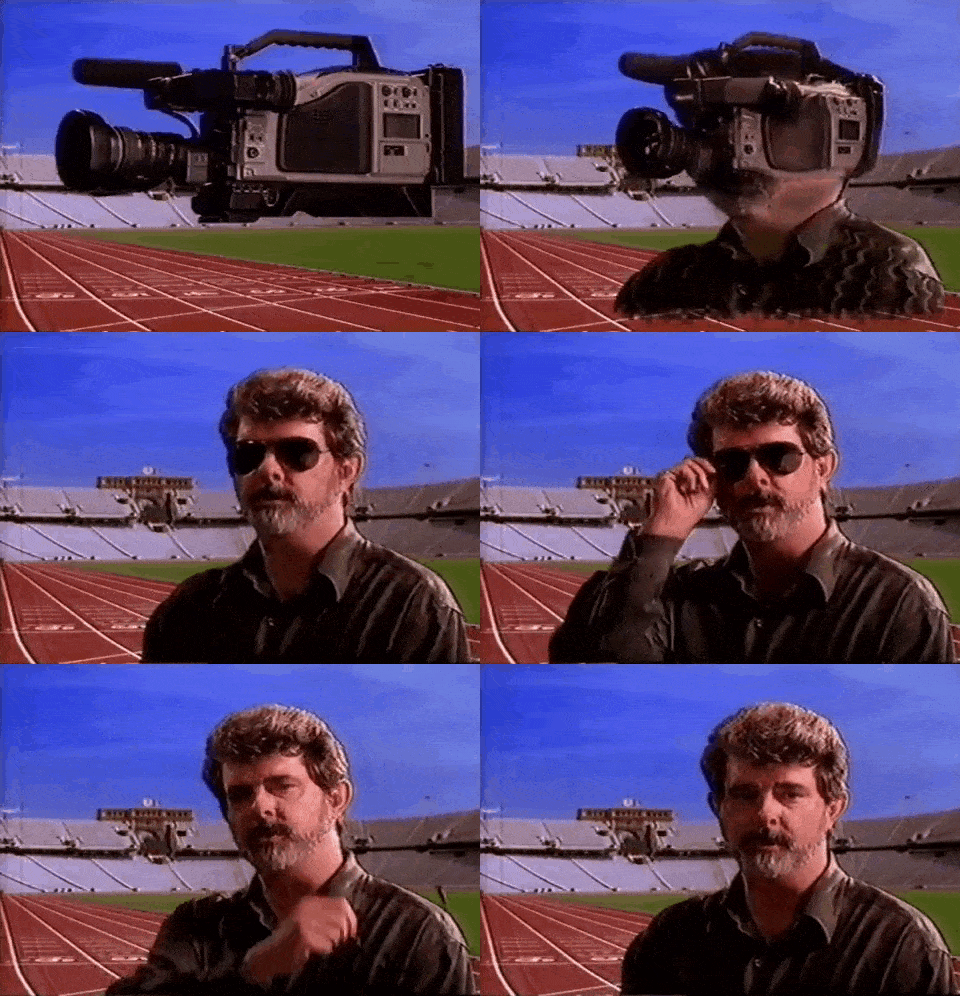
A camera produces video by capturing a sequence of images. A Computer Generated Image (CGI) artist produces video by building and animating digital scenes, then rendering them as a sequence of images. Generative AI (GenAI) produces video by generating a coherent sequence of images from a prompt or reference image.
A camera captures light in a space at a point in time. A CGI artist simulates light within constructed spacetime. GenAI synthesises light into existence untethered from space and time. GenAI represents a fundamental change, a quantum leap, because it removes time as a limiting factor. Content Armageddon is now possible but the incentives for it don't exist.
The media landscape is bounded by what is technologically possible and shaped by incentives. There are no incentives to create an overwhelming supply of awful content: no one is paid to make or watch awful content. Thinking about what technology can allow, what motivates people and what the market incentivises makes predicting the future more of a science and less of an art.
Weird science
GenAI doesn't capture reality or construct a simulation of it. Simply, it predicts. It has consumed enormous amounts of media content and learned what tends to follow what — which pixel, which frame, which word. GenAI video produces the most plausible continuation of the references and prompts a user gives; a more detailed, complex explanation isn't that useful to the layman.
There are mechanisms at work, it's not magic. But models are built on statistical probability, not hardcoded rules, so outputs are inherently nondeterministic. Tracing exactly which piece of consumed video shaped a generated one is impossible — the influence of any single input is spread across billions of parameters. Calling it a black-box makes it sound like closed machinery. It's more like a Weird Science.
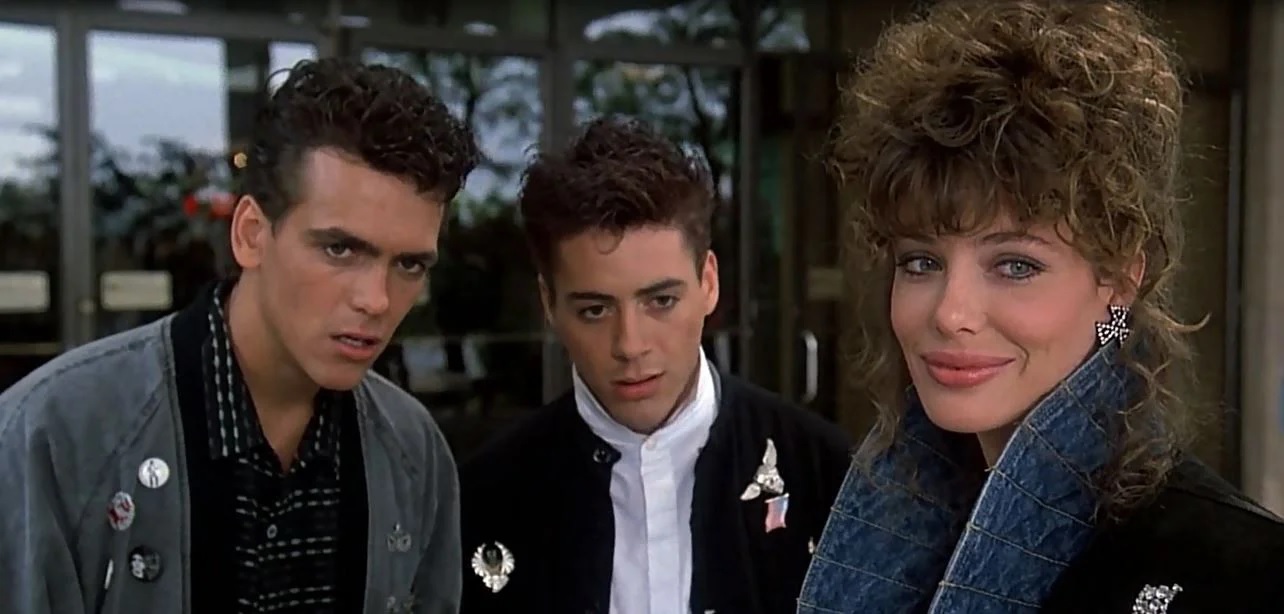
The industry's understanding of GenAI is overly focused on fake entire-people. This technology isn't about ways to fake a person or make a Kelly LeBrock, its purpose is to widen what creatives can do. Yes, that'll mean fully synthetic avatars but what'll be far more common is videos with just a synthetic voice or pair of hands, or a clone avatar. And with that the focus will move from questioning what is real to imagining what is possible.
Computers became more accessible so technical skill mattered less, more powerful so production was less of a bottleneck. GenAI does more than just continue that process, it makes imagination both the primary skill and the limiting factor in video creation. Let me emphasize: imagination is absolute, it's the ship and the sea, it's the seed and the water. With a tool that can make anything you imagine, more care should be given to imagining than making.
We used to all watch the same thing on broadcast media. Then on-demand came, then social and we moved into our bubbles. Now content that is 100% your vibe will become more common, same for us all. It's less that it's targeted and more that we now can all see lots in our exact niches. And we can all easily become creators now. That has profound implications for the nature of culture.
The giant monocultural viral moments will become rarer. They'll still happen, most of us fundamentally want to be unified, but it's hard to know whether they'll be savoured or instantly remind us that we're all different: ‘back to my safe, warm bubble please!’ The content that bridges the hyper-segmented landscape won't be the safe or nostalgic or true thing, it'll be the weird thing.
I think our ability to be astounded has been defeated. We still say ‘wow that's amazing’ but it's mostly a reflex not a sincere reaction. True wonder dies younger. But the fascination with the weird is more primal as thus more resilient. Most people will use GenAI to make more of the expected thing. Pay attention to the people using it to make things no one would have thought they wanted.